The Path of Least Resistance.
For years I tried to win games that were never designed for me. Then I realised I could simply choose different ones.

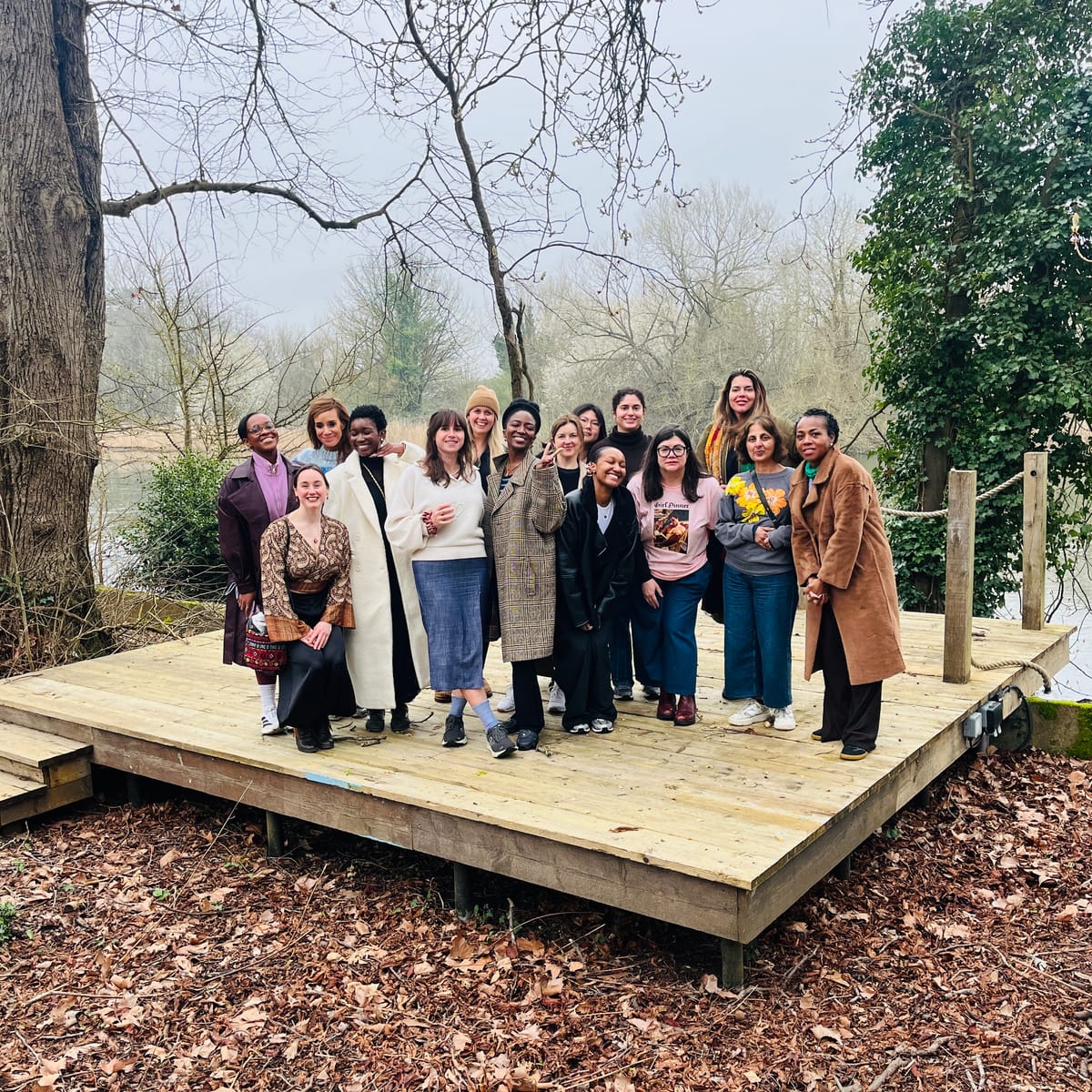
Happy International Women’s Day!
I’ve just arrived home from an epic weekend with twenty-five women at The Stack Slumber Party. Two days of conversations, tea, notebooks, baths, and the vunerability that only seems to happen when women gather IRL and with intention.
One idea kept surfacing again and again throughout the weekend:
moving towards ease. Away from struggle. Away from proving ourselves. And away from forcing things that are not meant for us.
Instead, choose the path of least resistance.
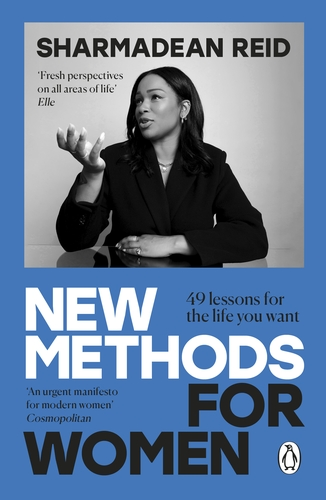
During the workshop I read an essay from my book New Methods for Women called “Play Games You Can Win.” It’s an idea that has been incredibly instrumental in my own career. For years I tried to win games that were never designed for me. The shift came when I realised I could simply choose different games, obvs. Games where the rules made sense, where my natural strengths were actually an advantage and where winning felt energising rather than exhausting.
I’m going to share the full essay below for free below because this idea has changed the way I approach almost everything — work, relationships, creativity and ambition.
(And if you’d like the full New Methods framework, I’ve also linked the book below.)
As ever, weekends like this remind me how nourished I am by the company of intelligent women. There is something incredibly powerful about a room where women are thinking deeply about their lives and speaking honestly about what they want.
The community we have built through The Stack World and New Methods for Women will always be one of the things I am most proud of. It is a space for ambition, reflection, reinvention and — increasingly — ease.
Want to come to the next Stack World Retreat? RSVP here
Below you can read “Play Games You Can Win.” and if you want to join next weeks Stack World Business Workshop, RSVP below.
Play Games You Can Win
One of the most pervasive myths that allow the patriarchy to function is that women must struggle. Things must be hard for us because we sinned and we deserve it. It’s human nature, it’s just the way it’s meant to be. And so in a masochistic way, we move towards the pain and away from the pleasure and joy. We feel guilty if we achieved something without struggling for it. We can make life so hard for ourselves with our choices. This could be your career choice, dating life, financial situation, friendships – the list goes on. Throughout my life, I improve my chances of success and pleasure by identifying and making the most of the games I can win.
I see many decisions – especially when it comes to your career – as a tournament. There will be many teams, each with their own eager players, just waiting for their opportunity to play. They’re standing on the sidelines, shivering and jumping to keep warm until they get their turn. Think of any job with a low acceptance rate - working at MI5, or applying to Google. The starting line is packed, but have you considered why you even want to play? Why do you want to work there? Does the company match your values? Do you like the people? Will you be doing your best work?
If the reasons are sincere, there are two methods you can take to try and get on the pitch. The first would be to try to find shortcuts. Ways to skip the queue and get onto the pitch first - an intro via a family friend for example. But taking shortcuts can sometimes leave you open and exposed when you finally do get on the pitch. You won’t have put in all the time and developed all the skills to succeed. You’re not ready yet. So, why not instead look to put yourself in the position to play the games you know you can win?
Let’s apply this to my own career.
When I was 12 years old, I was at my cousins house. She was five years older than me and preparing for university. While I was waiting for her to get dressed one day, I noticed a pile of prospectuses in her room. Looking at the pile, there was one that stood out from the rest. It was long, thin, bottle green, and the paper was made to look like linen. It had a beautiful gold embossment for the London College of Fashion. I grew up loving fashion. At the time, I remember thinking “What the hell? You can go to uni for fashion?!” I read the prospectus cover to cover and loved it. It piqued my interest and I started reading Vogue religiously. Vogue would always write about new designers and each and every one of them seemed to graduate from Central Saint Martins. So that’s where I set my sights. Every year from age 12-18, I got a prospectus sent to my Grandma’s house in Wolverhampton. Over that time period, I finally settled on a Fashion, Communication, and Promotion degree. Notice how I narrowed down to such a specific course - FCP. To get there, I looked at my skillset.
I loved fashion and culture, but within that, there were so many more specific tournaments (degrees) to choose from. I looked at Film, Photography, Design and more. But, I selected one that I had a higher probability of winning because of my personality. I knew I was good at writing, crap at craft detail, and I loved clothes but hated making them. Instead of inspecting and comparing fabrics, I would be digging through clothing rails and deciding what outfit type I'd be that day. I turned away from the game of Fashion Design at CSM, which was the hardest degree to get on. Instead, my tournament became Fashion Communication, a game I knew I could win based on my existing teenage skills. When applying via UCAS, you had the choice of three universities. I only put one down - Central St Martins - as I was so sure that this was the degree for me. In my interview, was accepted on the spot.
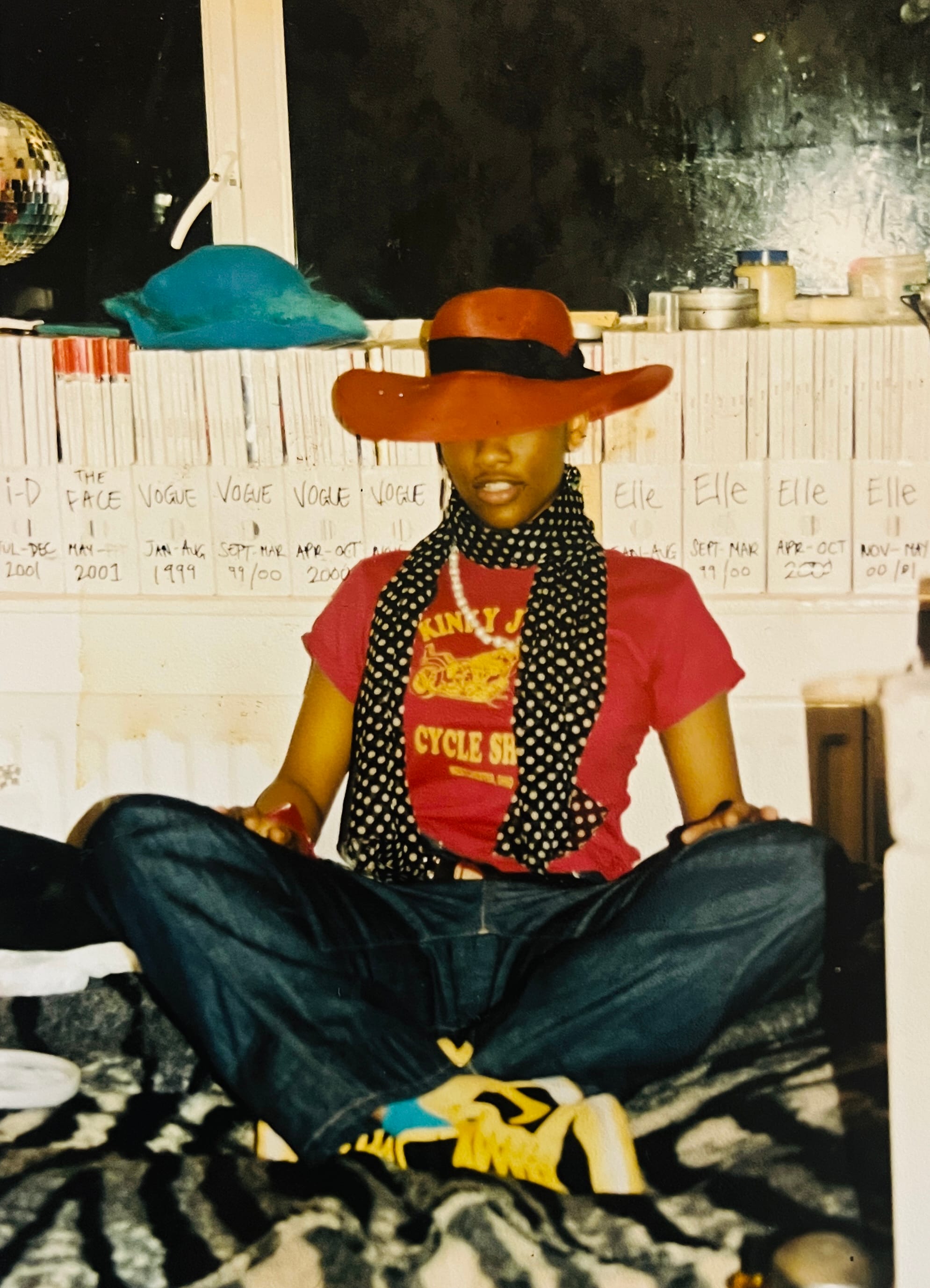
When I started my degree, I found it quite easy, I was frustrated. I wanted to be challenged. I had been training myself for so long to get here, that when I got there, I knew a lot. I tried to switch degrees to Fashion History, I tried to make it hard for myself. But my tutor knew better. Judith Watt advised me to stay on this course enjoy it and go out and work. Hone my style of play if you will.
So I did. In my first year, I went to work. I realized that, although I love the glamour of Vogue and Elle, I wasn't attracted to the shiny stories. I was far more attracted to the grittiness of Dazed & Confused. The work I loved was always down to a particular stylist. I always read the credits of the shoots. Reading these magazines cover to cover, I'm looking at all the players and thinking who’s the coach? Who’s the referee? What’s their success rate? How are they building on previous wins? When you know who creates or wins the games, you can watch and learn what they do to be successful.
I realized one name kept coming up, Nicola Formichetti – the incredibly talented Italian-Japanese fashion editor. He was the first person I’d seen who combined streetwear and high fashion. He was pioneering it and I wanted in. I wanted him as my coach.
Now I had nailed my future down to a specific pitch within the wider tournament. I transformed my thinking from ‘I want to be a designer’ to ‘I want to be a stylist’. And then, further still, ‘I want to work with Nicola Formichetti’.
I applied for a job with Nicola. I only wanted to work for him so I didn’t apply to the magazine - that would be way too broad, and my chances of success low. I applied directly to the coach. Using all the research I had gathered, I photocopied all his photoshoots and transformed them into a pop-up book to send him. I created a focused application that only he would understand. He called me the next day and said, “Come into the office and let’s chat.”
I arrived at the Dazed & Confused offices for my interview, finally about to meet my idol who I'd been worshipping for so long – who understood how this game works and, in my opinion, nailed the playbook. I thought I was just going for an interview and he said - are you ready to start today? Fifteen meetings after meeting him, I had to rush across town to Chelsea to pick out some items for a shoot. There were no iPhones or Google Maps, so I pulled out my trusty A-Z and lugged the empty case he had given me on the tube. It was nerve-wracking, but I was prepared. I had been reading magazines religiously for the last 7 years and studying his shoots for at least 5 of them. This is the point where if you’d pushed your way to the front of the queue, without enough training or practise, you would have choked on the pitch. With all my swotting up, I knew his taste, so when I got to the store he had dispatched me to, I chose the things I knew he would love.
It’s important to point out that I'm still not actually playing my game yet. I’m still in the scout camp being groomed. I'm heading to the junior squad, doing my degree.
I continued working for Nicola Formichetti and fashion designer Kim Jones throughout my degree, while most of my classmates weren’t working. I had no wealthy family, no fallback plan, so I had to work and build my network. I was studying and working my constantly for my entire 4-year degree, and it enabled me to be the strongest player possible when it was my time to head onto the pitch. When we all graduated, many of my classmates were building their network four years later and started out as interns while I was immediately being paid for my work.
During my degree, I’d also spend all my free time in the Central Saint Martins library. It was legendary. The archive was insane. It had bound issues of every Vogue, The Guardian, The Times; every resource you could need. Even today, it’s better than the internet. I would flip through a magazine and put a post-it note on every page I liked, training my eye. This wasn’t strictly editorial. It could be a Snoop Dogg interview, a Ralph Lauren advert, a still-life article in the 60s, or anything else. Once I filled it up, I would take it to the photocopy machine and copy everything I liked. I’d print them (in black and white, I was a poor student), put them into plastic wallets, and organise them into folders, building my own library. These folders would be titled niche things like Tool Photography, WASP Sports, 90’s Gangsta Rap, and Leopards In Culture. On each printout, I wrote what magazine and what specific page so if I ever had to go back, I had my reference point. Not only was I training my stamina and body to be the best player ever, but I was also training my eye.
I ended up being one of two people in the class graduating with a First Class degree, and it felt pretty easy. I don’t remember university being stressful or taxing. Just tiring from all the jobs I was doing. I just got my results and shrugged. I wasn’t going to feel guilty about that win because I had been in training for so long. All the hours in Wolverhampton, all the hours assisting, all the hours in the library. I won this game of education and I won it with ease.
I remember my first solo work game: Nicola had a small job for a global retailer that he didn’t want to do, so he subbed me in. He did a bigger job that day and I did this mini one. I was the only stylist on set and I loved it! I realised I could continue to carve out my niche by only doing this type of work. Instead of being a junior stylist doing any fashion, I exclusively only youth street fashion and men's streetwear and sportswear. I got a job at Arena Homme Plus and I’d narrowed my game down down to a point where it was just me and someone else playing. I’d taken the time to find my niche and boost my chances of success. I won my first Nike job at 23. My goal was that when any client thought “We need someone good at fashion sportswear”, they would think of me. That's when you know you're winning. This is the path I was on because I created a game I could win and I did so much work before I even got on the pitch.
Playing games you can win is one of the biggest secrets to economic success.
The same level of work ethic can be applied anywhere, so if you are going to apply it, make it more effective by applying it to something comfortable that will reap the greatest rewards. Choosing an easy path didn’t mean I didn’t work hard. It just meant that all my shots were on target because I knew exactly how to kick the ball. I made key choices, practised a lot, and refined my likes and passions. If I’d showed up to uni thinking “I want to be in fashion”, how on earth would I have gotten started? I’d have been in a massive pool of people all after the same limited opportunities.
The New Method here is to apply the tournament analogy to your life and discover how you can start playing games you can win. How can you maximize your chance for success and pleasure? You may need to divert your path entirely.
You'll have spent your twenties playing a lot of different games.
Reflect on that. Were you successful? Did you enjoy them? What games were easy? Which were traumatic? In reality, the rules of the game will change every five years or so as you move from high school, to college to work. So perhaps you’re in a transition period and you need to recalibrate what game you are playing. Don’t stay stuck in a game that feels like an uphill battle
There’s this weird sense of achievement that women have from making life as hard as possible. The reality is it’s just wasting energy. A game worth winning doesn’t have to feel like an impossible battle. The time and energy you save from not making your life difficult frees you up for meaningful pursuits.
So lets’s define your game. Understand exactly what it is you’re reaching for and be specific.
- What is the game? (Industry)
- What are the rules? (Attributes for success)
- Can you train for this game? (Education/experience)
- Who could be your coach? (Mentor)
- Where is it? (Physical Location)
- How long does it last? (How much of your career will this take)
- Who are the other players on your team? (Do you like these people)
- How often do you play? (Work week)
- What is the prize? (As they define it. As you define it)
The Holy Grail of playing games you can win is by creating a new game entirely. What knowledge and skills can you apply to change up the rules and make your own game? To move past everyone else and find the less concentrated spaces where you can thrive?
If you can design your own game; you can guarantee your win. And I’ve spoken about careers a lot here because that’s where the analogy works best; but this also works for any aspect of life we tend to make harder for ourselves - such as trying to make toxic relationships work. Don’t make your life any harder than it has to be.
Play games you can win.
Shar x