Doing Stuff That Doesn’t Scale


Or, how I learned tried to let go of my 0-to-10 skills to build a 10-to-100 company.
The problem with being good at starting things
There is a famous piece of startup advice from Paul Graham, the co-founder of Y Combinator, called Do Things That Don’t Scale. The premise is simple. In the early days of building a company, you should do things manually, personally and sometimes quite inefficiently to get your business off the ground. Recruit your first customers one by one. Deliver an extraordinary level of customer service. Do things that a company with a million customers could never possibly do. And I agree with him. In fact, I think I’m exceptionally good at doing things that don’t scale.
I watched this 10 years ago
I can build a brand from nothing. I can create a product, develop a visual identity, write the copy, find the customers, generate the press, make the sales and persuade people to believe in something that doesn’t quite exist yet. Give me an idea and a very small amount of money (or sometimes no money and just my laptop and phone!) and I will find a way to make something happen. It’s probably my greatest entrepreneurial skill. But I’ve started to realise that it might also be my greatest limitation. Because the problem with doing things that don’t scale is that, well, they don’t scale 🤷🏾♀️.
The pressure of the first year
By the end of 2026, 39BC will have completed its first full year of trading, and I’ve put an enormous amount of pressure on myself to hit certain milestones. As I mentioned in my last newsletter, some of that pressure is probably entirely undue. I recently listened to an interview with the founder of Salt & Stone, who launched the brand with sunscreen and apparently made around $100,000 in revenue in their first year. I also heard Amy from Odd Muse explain that it took her three months to make her first £100,000 in sales. Salt & Stone has since been associated with a valuation of around half a billion dollars. So, by those milestones, we’re actually doing rather well. Of course, comparing businesses like this is a slightly ridiculous exercise, but sometimes you need reminding that the brands we now consider wildly successful didn’t necessarily start with extraordinary numbers (or their bestselling product).
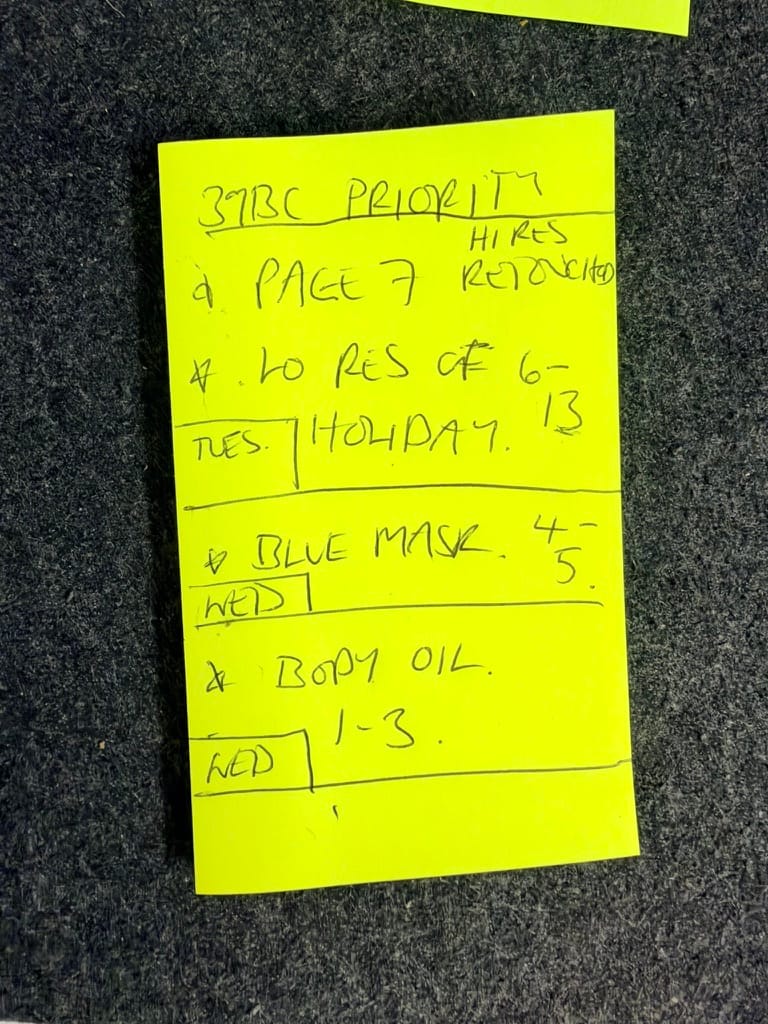
The thing is, so much of building a physical product business is completely outside my control. I can plan everything, forecast optimistically, build beautiful campaigns and set ambitious sales targets, but none of that prevents a manufacturing delay, a production issue, a shipment getting held up or a product arriving weeks later than expected. And we’ve had our fair share of all of the above. Don’t worry, I’m saving the full catalogue of mistakes, mishaps and lessons for a rather vulnerable end-of-year essay. But something else has happened recently that I think is worth sharing now.
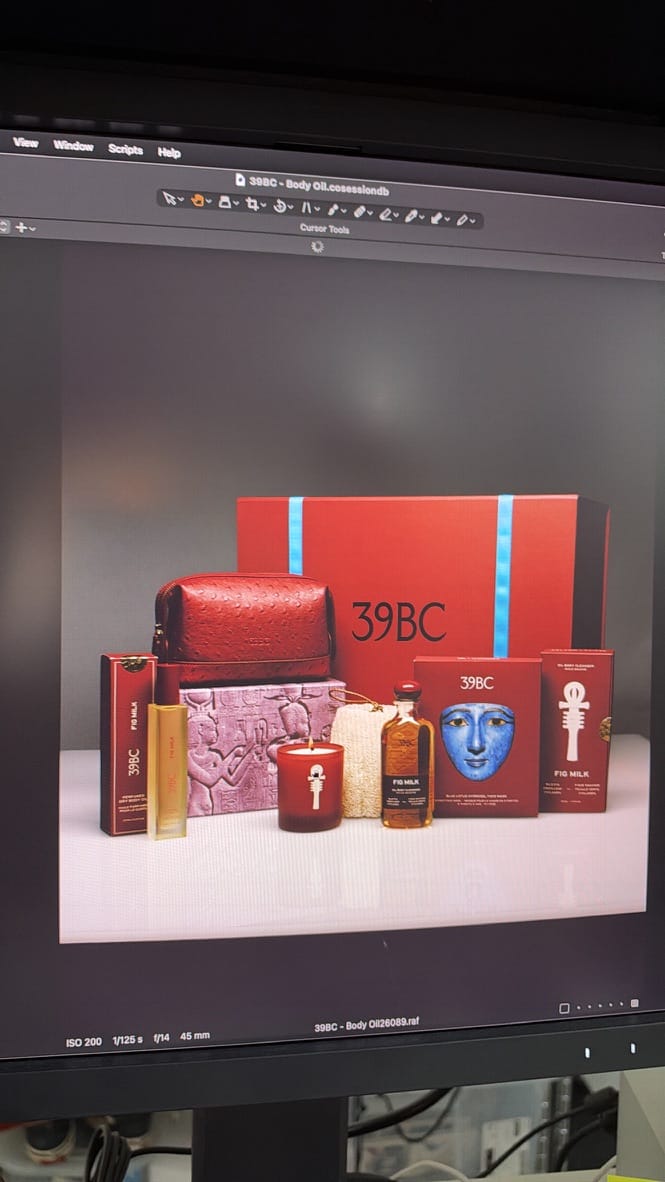
From a cool niche brand to a real company
I’ve brought two new people into the business, both in fractional roles. We still don’t have a single full-time employee, which is slightly mad when I consider everything we’re doing. And these two people have spent the past week pushing me considerably outside my comfort zone.