Ignore Africa’s Luxury Consumer at Your Peril

There is a quiet arrogance in the global luxury industry.
A long-standing assumption that wealth — and therefore taste — is concentrated in Europe, the United States, and parts of Asia. That everyone else is “emerging.” That everyone else is “next.” Africa has been “next” for over twenty years.
And yet, anyone who has spent real time in Lagos, Accra, Nairobi, or Johannesburg knows that this is already a mature, expressive, and highly discerning luxury market — just one that does not always perform itself in ways the Western industry recognises.
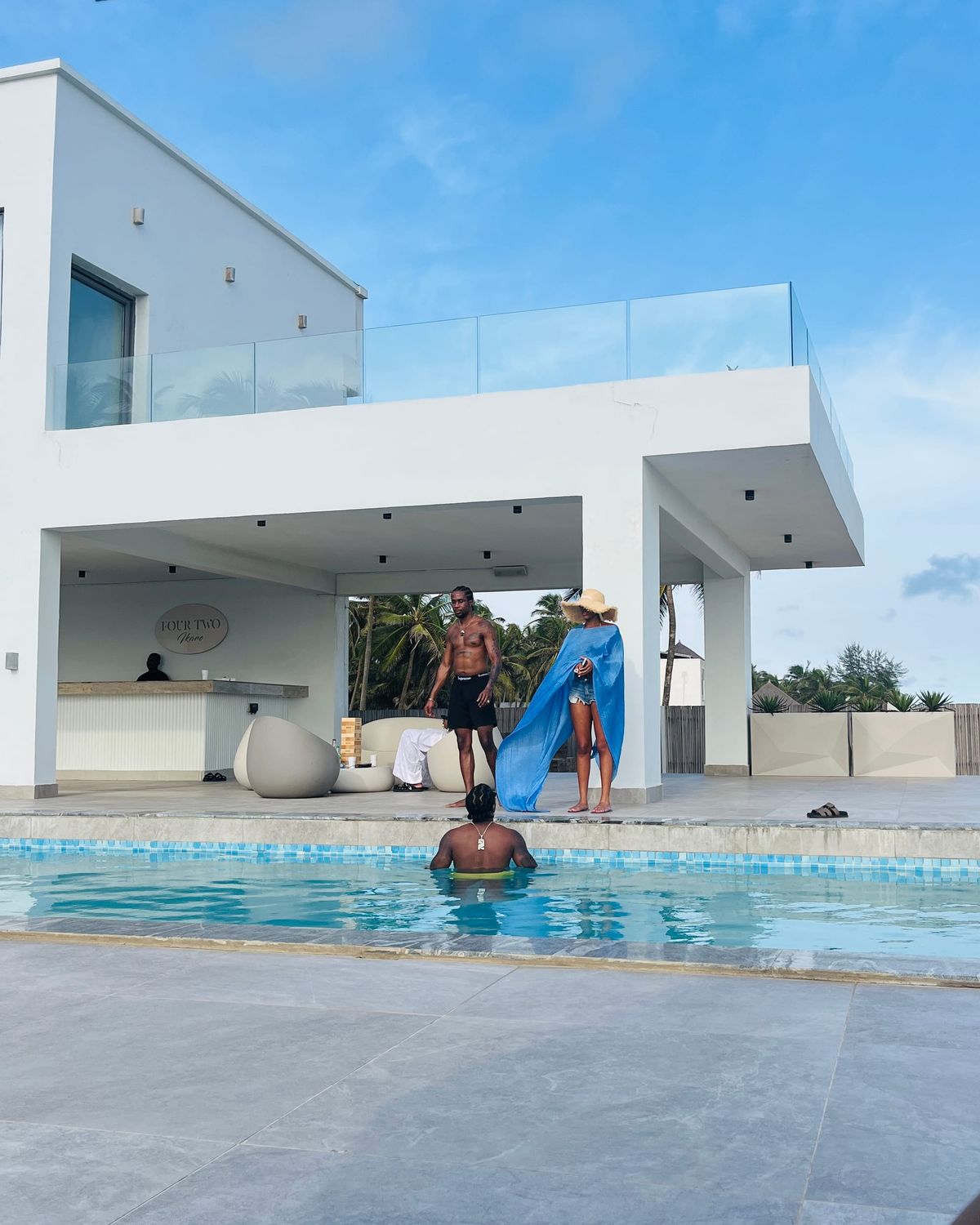
I just got back from Lagos and I'm still on a comedown from the energy, excitment and creativity there. Not to mention the luxury lifestyles...
The Myth of “Emerging”
The language of “emerging markets” is not only outdated, it is misleading. It flattens complexity. It suggests a lack of sophistication. It implies that luxury consumption is something that will arrive later, rather than something that already exists, shaped by different histories, infrastructures, and cultural codes.
In Lagos, luxury is not quiet. It is visible, social, generous, and often immediate. People dress for the room, not for anonymity. Scent travels before you enter. Jewellery is worn with intention. Cars are part of identity. Hosting is performance. This is not a new form of luxury. It is, in many ways, a more honest one — closer to its original function as a public expression of power, taste, and belonging.
High Net Worth, High Visibility
Africa is home to a rapidly growing population of high-net-worth individuals, but the more interesting story lies in its cultural relationship to money. Wealth is rarely private. It circulates through family systems, social obligations, celebration culture, and community visibility. Success is not hidden; it is shared, displayed, and reinforced through presence. Luxury, in this context, is not just purchased. It is performed. And performance, in a networked and socially dense environment, becomes its own form of distribution.
The Scent of Status
One of the most obvious blind spots for Western brands is fragrance. In many African cities, scent is not subtle. It is layered, constant, and integral to both hygiene and identity. People spray more, reapply throughout the day (something I'm not used to), and often combine multiple products. And yet, many global fragrance houses still formulate and market as if the ideal consumer wants to be discovered rather than announced. It is a fundamental mismatch. There is an opportunity here not simply to sell more product, but to rethink formats entirely — higher oil concentrations, layering systems, and rituals that begin in the bath rather than end with a single spray.
Infrastructure ≠ Desire
A common objection from within the industry is infrastructure. There are not enough retail stores, not enough department store counters, not enough formal points of sale. But this confuses infrastructure with demand. Where formal retail is limited, informal networks expand to ensure that the customer still gets what they want. The money is being spent. It is simply not always being captured in the systems that global brands rely on to measure it.
“Yes, but there aren’t enough luxury retail stores.”
That’s not the point. Where formal retail is limited, informal networks expand:
personal shoppers
WhatsApp commerce
diaspora buying loops
travel-based consumption
The customer is still there. The money is still being spent.
It’s just not always captured in your sales reports.
Homecoming Concept Store
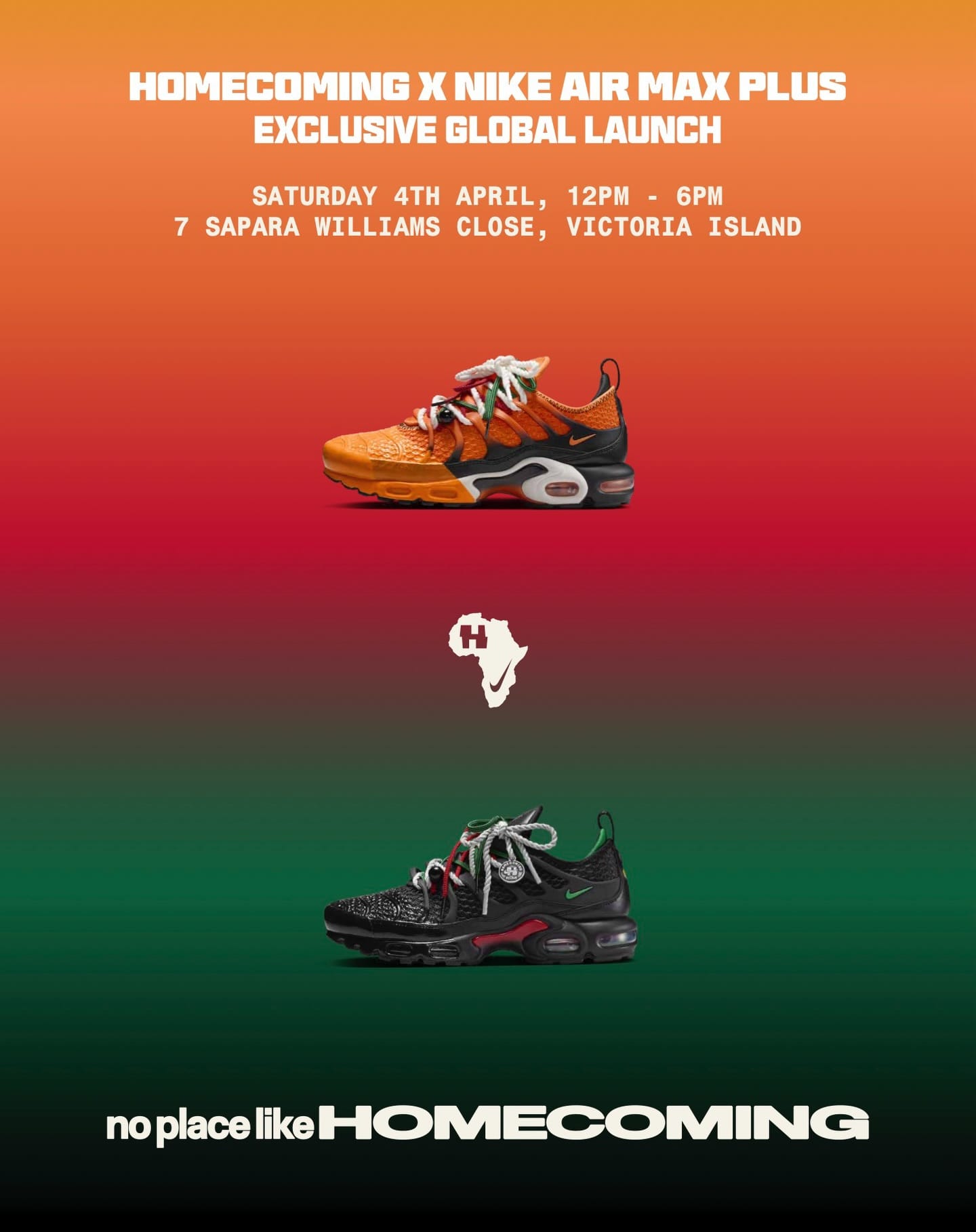
One example of the growing creative luxury economy is the Homecoming Concept Store and Homecoming festival in Lagos — a space that sits at the intersection of fashion, music, and global Black culture. Founded by Grace Ladoja, whose work spans cultural programming and collaborations with Nike, Homecoming has become a defining platform for a new generation of creative expression and consumption. The Concept Store itself is not just retail, but a cultural meeting point — where product, identity, and community converge. To have 39BC stocked there is not just distribution, it’s alignment — placing the brand within a living ecosystem of tastemakers and consumers who are actively shaping what luxury looks and feels like next.
Cultural Authority Is Shifting
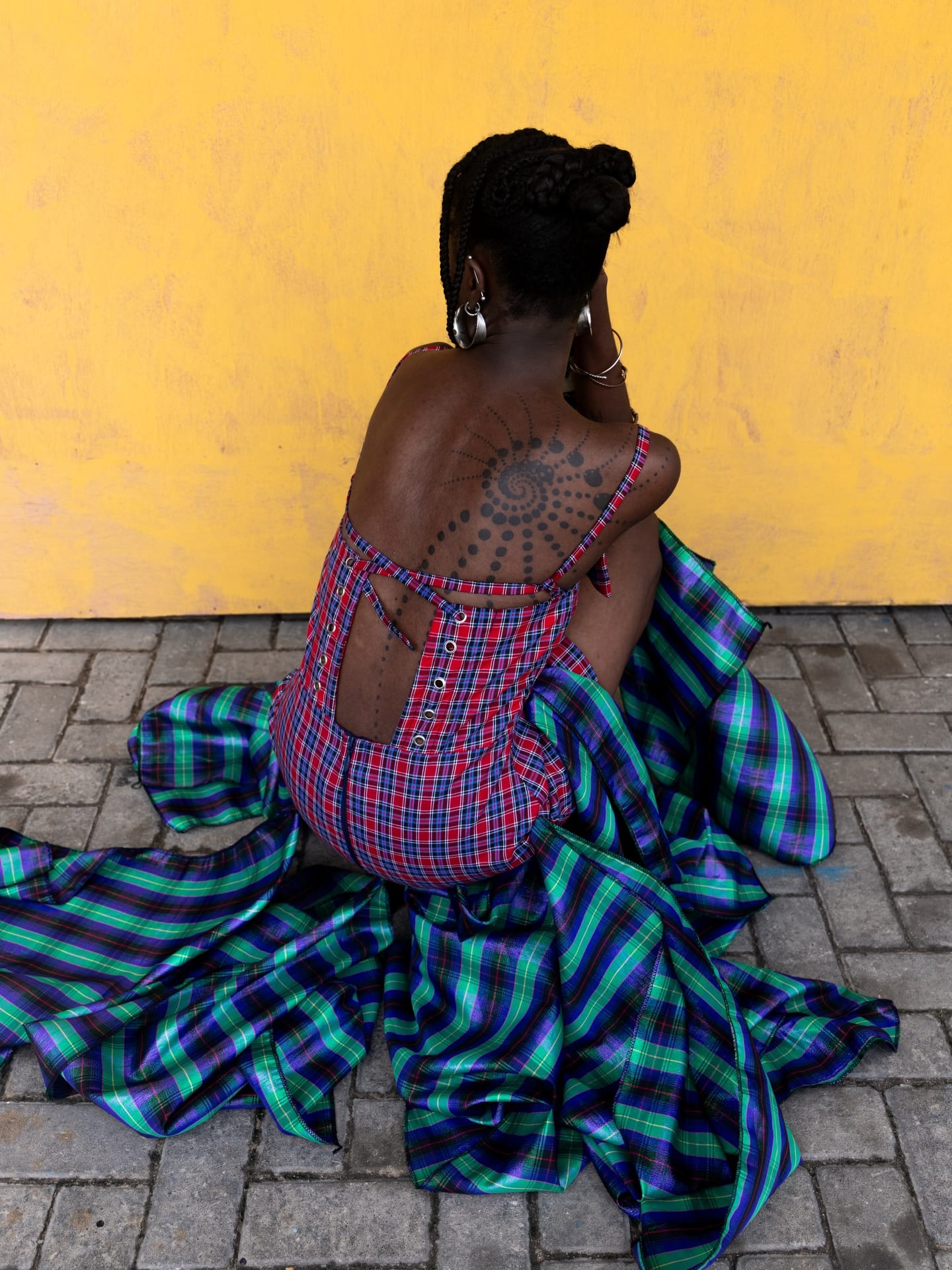
For decades, luxury has been defined through a European lens — what smells “clean,” what looks “expensive,” what feels “refined.” This was such an integral part of my founding of 39BC - that global culture no longer flows in a single direction. Africa is not on the sidelines of this shift. It is leading in music, fashion, beauty, and the social codes that shape how products are used and understood. The risk for brands is not just missing revenue. It is becoming culturally irrelevant.
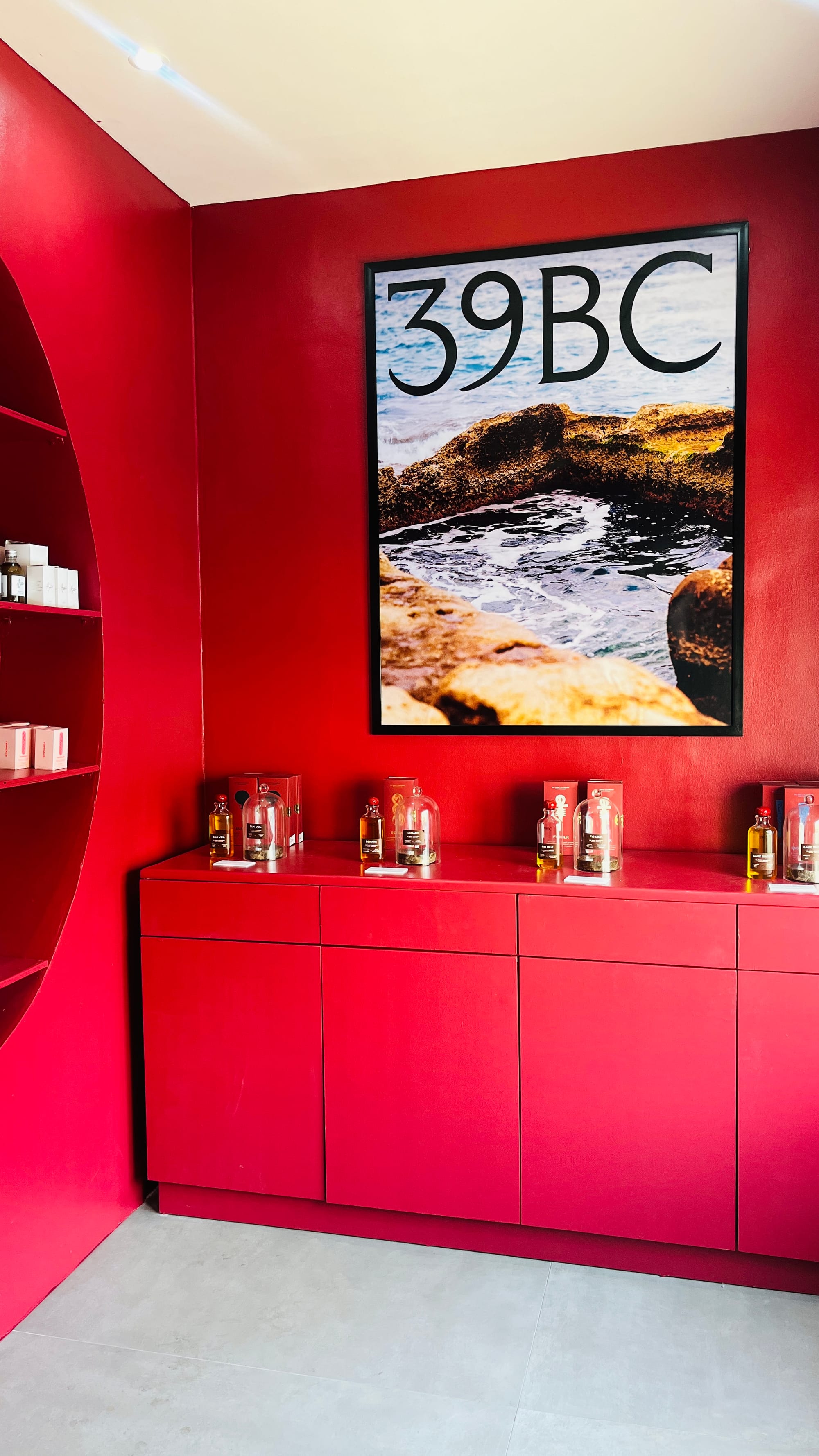
39BC in Lagos, Nigeria
What Smart Brands Will Do Next
The brands that will succeed in the next decade will not treat Africa as a future opportunity. They will treat it as a present reality. The next generation of luxury brands — and the smartest legacy ones — will:
- Study behaviour, not just data
Spend time in-market. Observe rituals. Understand context. - Design for climate and lifestyle
Heat, humidity, water access, and social life all shape product use. - Rethink formats
Oils, butters, concentrates, refills, travel-friendly systems. - Build local relationships
Not just influencers, but tastemakers, hosts, connectors. - Respect cultural codes
Luxury is not one-size-fits-all. Nor should it be.
The question is no longer whether Africa will become a luxury market. It already is.
The question is whether your brand will recognise it in time — or whether you will arrive too late, speaking the wrong language, to a consumer who has already moved on...