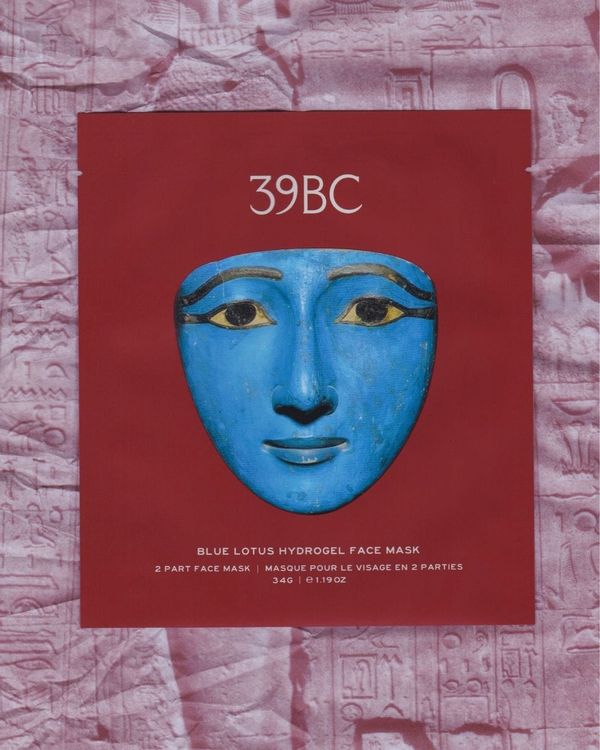
Consider the Sublime
On wonder, awe and the sublime: from a red potato in Wolverhampton to a pink mountain in Ojai, and why Robert Greene’s new book has me jumping for joy.

Happy Sunday, everybody. I'm currently at Heathrow waiting for a very delayed flight to NYC! Is anyone else in NYC this week? This weeks newsletter is a little softer after my last two hardcore ones. Enjoy!
Some of my most read:
 Sharmadean Reid

 Sharmadean Reid

 Sharmadean Reid

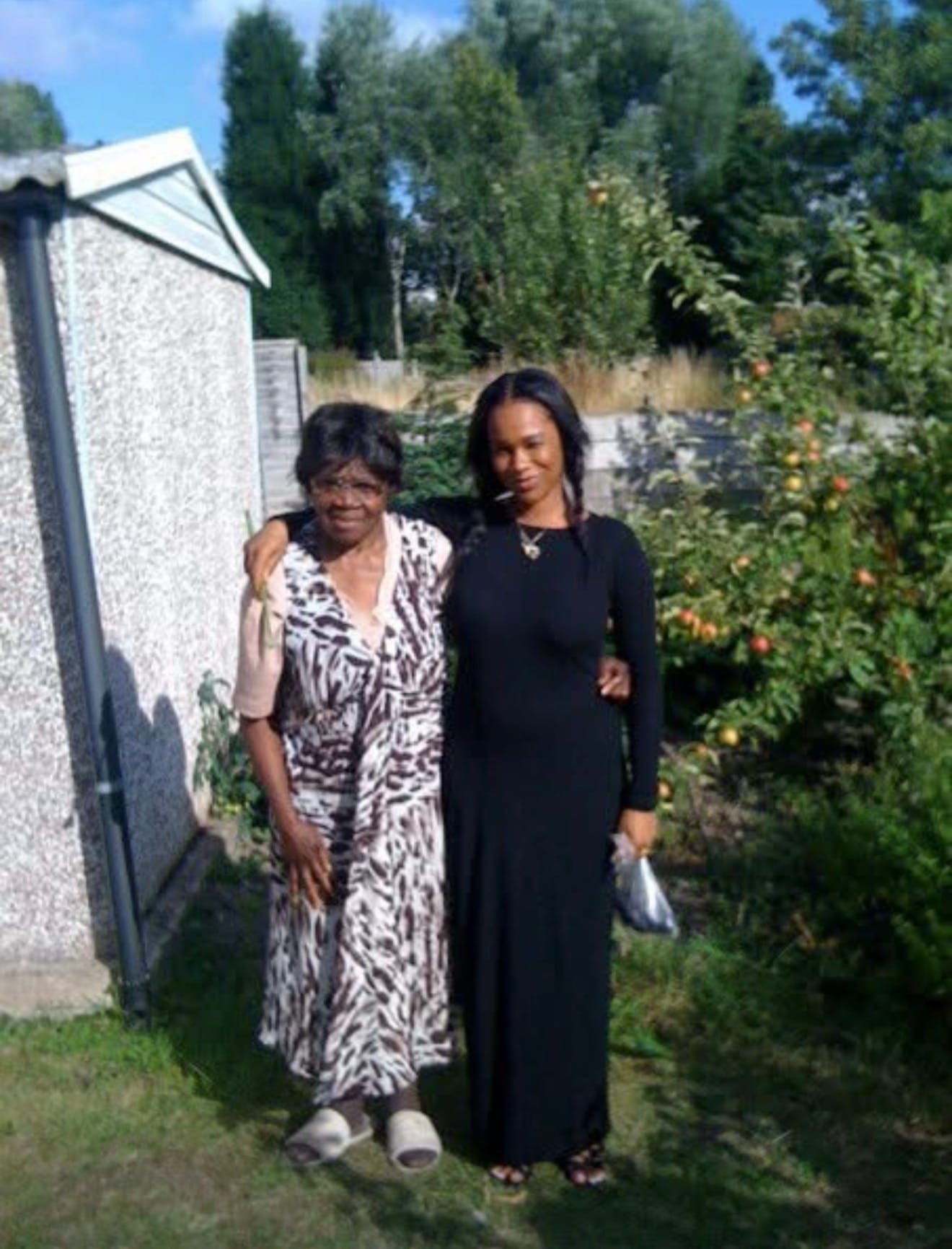
A potato in my grandfather’s garden
The first miracle I can remember was a potato.
I was probably about six years old, and it was another beautiful summer’s day. I was sitting in the dirt of my grandfather’s garden in Wolverhampton, turning over the earth, picking up earthworms and snails and building them little snail houses, or making my favourite thing of all: a mud pie, which meant sifting the soil until it felt as fine as coffee grounds and then adding water, bit by bit, until it was perfectly smooth. My granddad grew everything in that garden, from pumpkins and carrots to potatoes and broad beans, and some of my happiest memories are of passing him seeds as he planted, or shelling peas with him in front of the TV.
But it wasn’t in his vegetable patch that I found it. It was right at the very back of the garden, almost at the dirt edge where the boundary fence separated us from the neighbours. I was digging, as I always was, and there it was: a red potato. I couldn’t believe it. How had it found its way there, so far from where it was meant to be? Even at six or so, I remember thinking that this was a miracle. I dusted it off and carried it inside to my grandmother in the kitchen. It was about the size of a child’s fist, maybe the size of my fist, and I asked her to boil it. She laughed at me. And then she boiled that single potato, and I ate it with a little butter, salt and pepper, and it was the most delicious thing I had ever eaten.
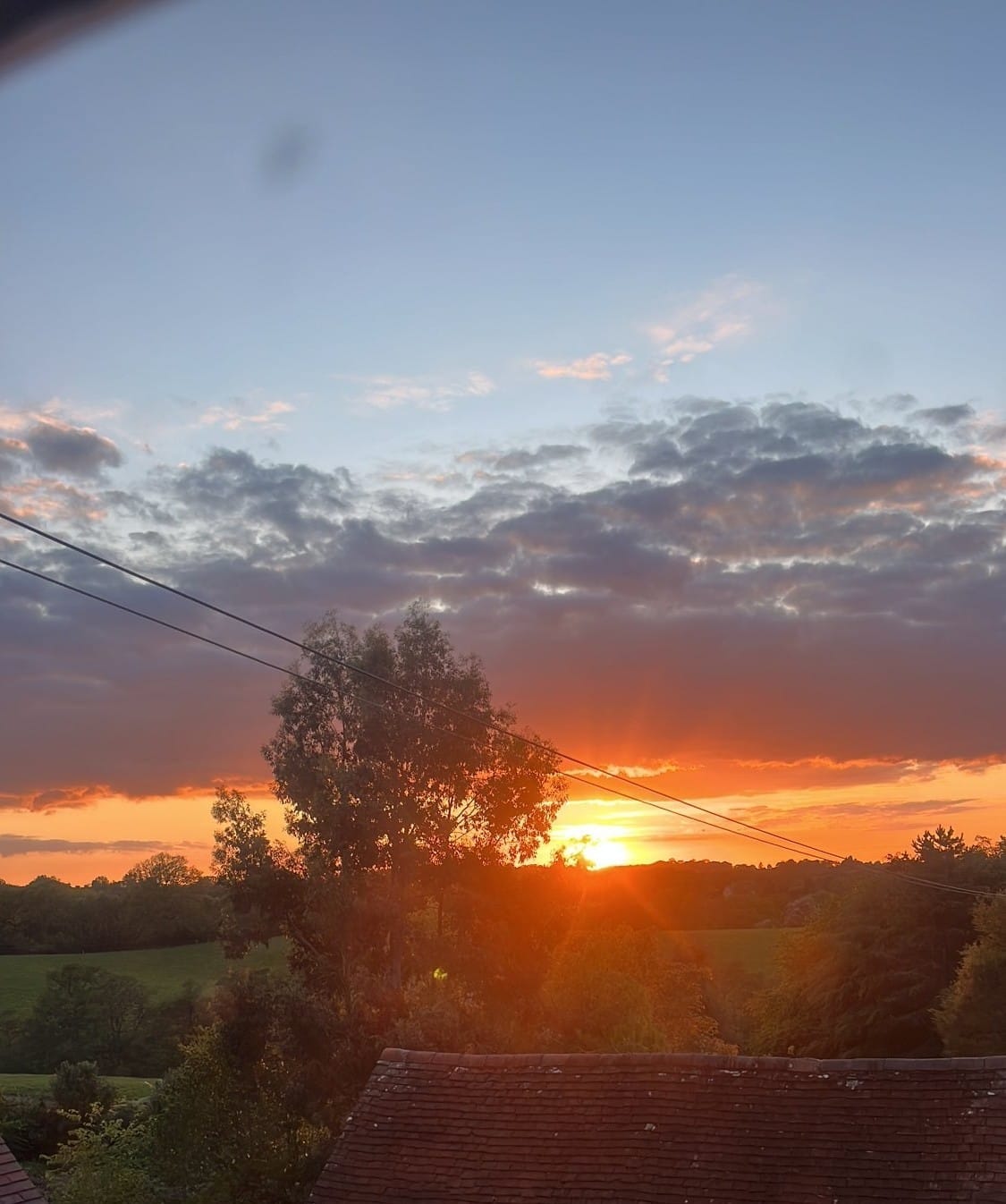
That was probably one of my first experiences of the sublime, though it was far from the last, because my childhood is full of moments of looking upon the world with wonder and awe, and I think that capacity is one of my best traits. I still have it, at my grand old age of 42. I remember the pinkest sunsets in Wolverhampton, stopping on my bike to watch the sun slip down over the Goodyear factory at the bottom of my street.
And I remember a sound I couldn’t find. Crickets, or was it grasshoppers, singing somewhere in the long grass, so well camouflaged that I couldn’t see a single one, until finally I did, and I watched it incredibly closely, fascinated by the movement that made that sound. I felt so moved to have observed something so private and so perfect. That, to me, is what it means to experience the sublime. I just didn’t have a word for it yet.
Finding the language
The word arrived years later, through a television screen. I watched a BBC documentary about the American landscape, about Yosemite and the idea of the sublime, and suddenly that feeling had a name, and a history. It’s an old idea. In 1757, the philosopher Edmund Burke drew a line between two feelings.
In the rest of this letter: the winter flower that reset my whole day in ten minutes, what my samurai retreat taught me about nature and spirit, why I bought Robert Greene’s new book three times over, and the four documentaries that first gave me the language for awe. Become a paid subscriber to read the full letter and get my sublime watchlist.